

The Best Time of Day for Wedding Photos (And Why Lighting Matters)
If you've spent any time looking at wedding photography, you've probably heard photographers talk about "good light," golden hour, harsh midday sun, or chasing the last few minutes of daylight.
It can sound like photographers are unusually obsessed with the sun.
We are.
Light changes everything about a photograph. It affects color, skin tone, shadows, atmosphere, texture, and even how a location feels. The same couple standing in the same place can be photographed two hours apart and end up with images that look completely different.
That's why the time of your ceremony, portraits, and reception isn't only a scheduling decision. It can also affect the look of your wedding photographs.
There isn't one universally perfect time for wedding photos, but understanding how light changes throughout the day can help you build a timeline that gives your photographer more opportunities to create beautiful images.
1. Morning Light: Soft, Quiet and Often Overlooked
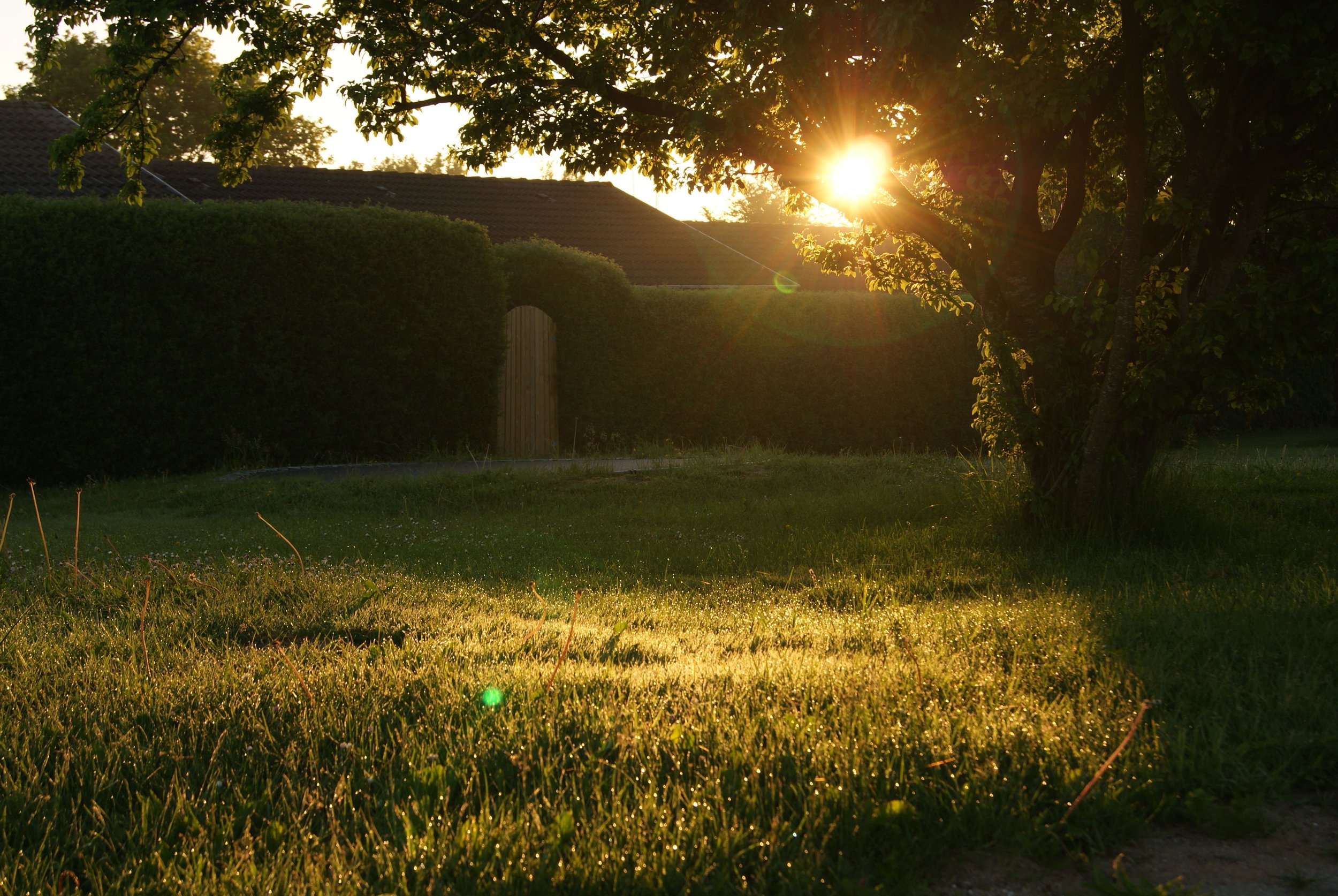
Morning weddings don't get nearly enough attention.
Earlier in the day, the sun is lower in the sky, which can create softer light than you'll find around midday. Locations may also be quieter, temperatures can be more comfortable during warmer months, and you may have access to spaces that become crowded later.
Morning light can work especially well for intimate weddings, courthouse ceremonies, elopements, and weddings where couples want a softer, quieter atmosphere.
The tradeoff, of course, is that everything else needs to happen earlier too.
Hair and makeup may begin before sunrise, and your wedding party needs to be prepared for an early schedule. For some couples that's completely reasonable. For others, it sounds like a form of punishment.
Know yourselves.
2. Midday Light: Beautiful, but Challenging
There's a persistent idea that photographers simply shouldn't take pictures in the middle of the day.
That's not true.
Professional photographers should know how to work in a variety of lighting conditions, including bright midday sunlight.
But midday light does present challenges.
When the sun is directly overhead, it can create deep shadows around the eyes, strong highlights on skin, and significant contrast between bright and shaded areas. In warmer climates, it can also mean everyone is standing outside during the hottest part of the day.
That doesn't mean your noon ceremony is doomed.
It means your photographer may approach portraits differently.
They might look for open shade, position you relative to the sun, use architectural elements, adjust exposure carefully, or move some portraits to another part of the day.
A skilled photographer doesn't need perfect conditions.
But good conditions give us more options.
3. Late Afternoon: The Transition Begins
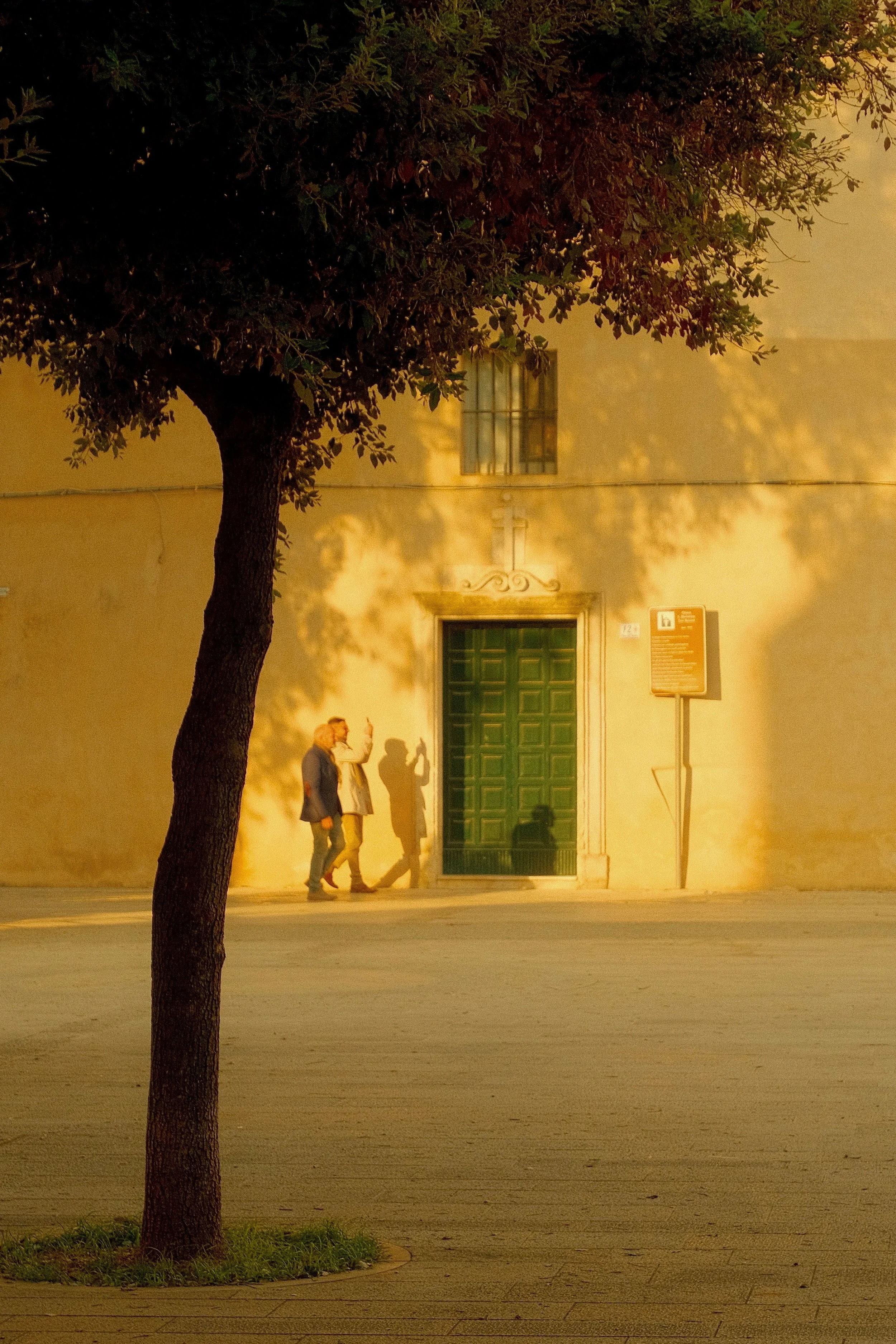
As the sun moves lower, the quality of light begins changing.
Shadows become longer. The light becomes less directly overhead. Depending on the season and weather, colors may begin warming.
Late afternoon can be a wonderful time for wedding party photographs, family portraits, and couple's portraits, particularly if you're working toward sunset.
It's also one of the reasons your photographer may ask about your ceremony time before recommending a portrait schedule.
A 4:00 p.m. ceremony in June is very different from a 4:00 p.m. ceremony in December.
The clock doesn't determine the light.
The sun does.
4. Golden Hour: Yes, Photographers Love It for a Reason
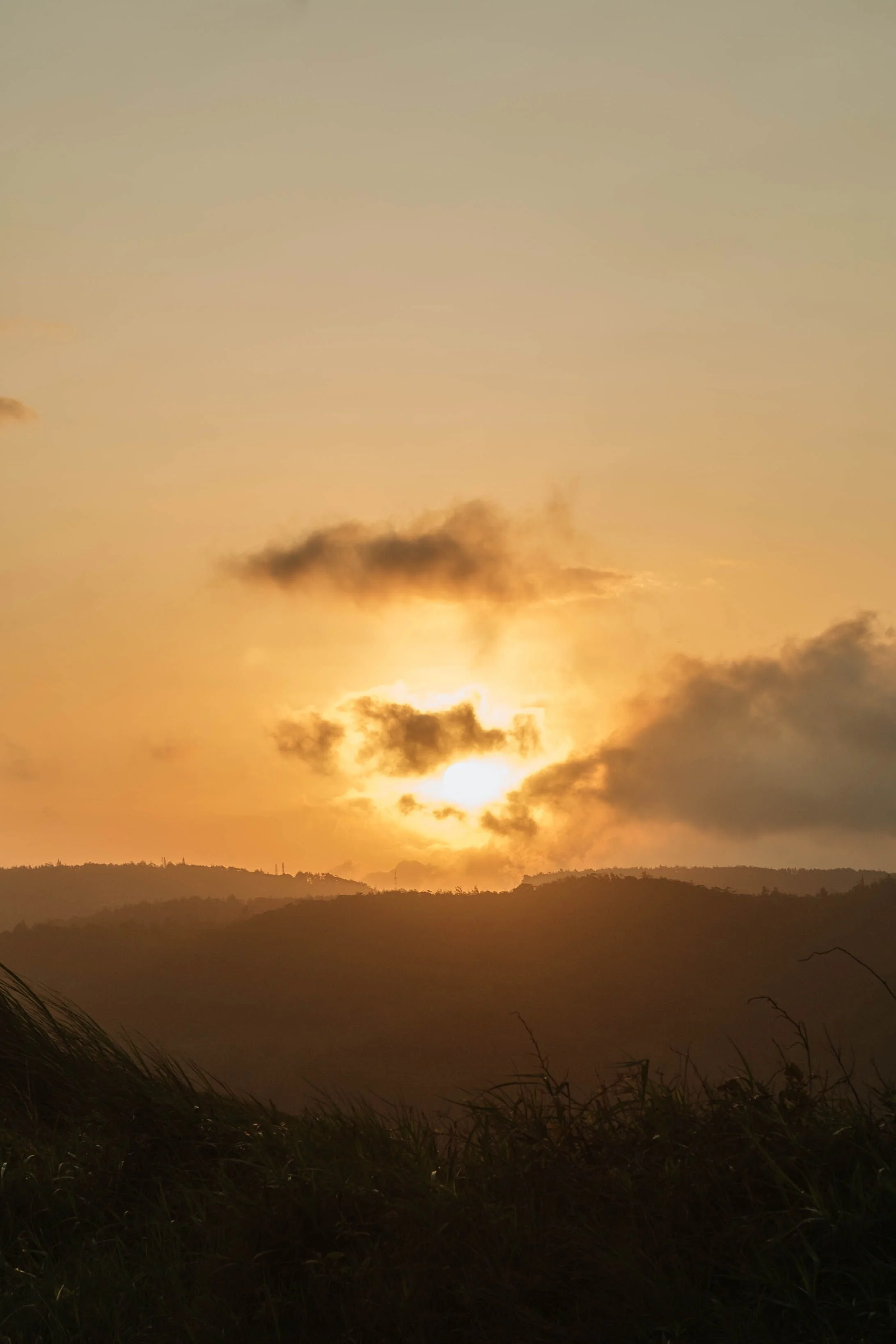
Golden hour refers to the period shortly before sunset when the sun is low on the horizon.
And yes, photographers really do love it.
The light tends to be softer and warmer, shadows become longer and less harsh, and backlighting can create beautiful separation between a couple and the background.
It's especially lovely for romantic portraits.
But here's something important: you don't necessarily need an entire hour.
Depending on your location, weather, and photographer's style, stepping away from your reception for ten or fifteen minutes may be enough to create a small collection of sunset portraits.
This is something worth discussing while you're building your timeline.
If sunset portraits matter to you, find out when sunset will happen on your wedding date and plan around it before the schedule is finalized.
Don't wait until dinner to discover that the sun disappeared twenty minutes ago.
5. Blue Hour: Don't Put the Camera Away Yet
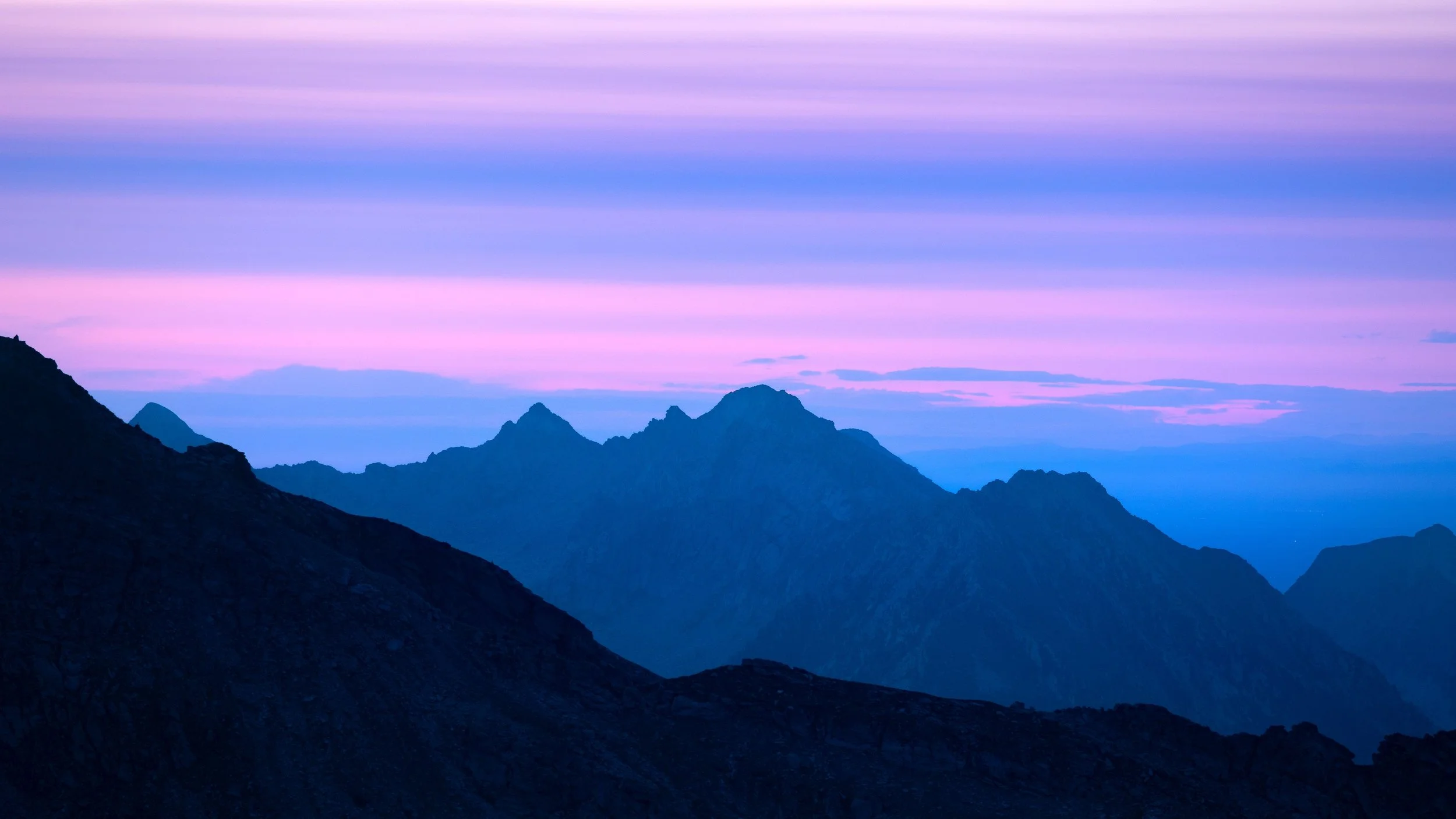
Immediately after sunset, there's often a brief period when the sky takes on cooler blue tones.
This is blue hour.
It can create a completely different atmosphere from golden hour: moodier, quieter, and sometimes more cinematic.
Depending on your photographer's style, this can be a beautiful opportunity for dramatic portraits before the sky becomes completely dark.
It doesn't last forever, though.
Like golden hour, timing matters.
6. After Dark: Your Wedding Photos Aren't Over
Once the sun goes down, photography changes.
It doesn't stop.
Nighttime gives your photographer opportunities to work with flash, ambient venue lighting, candles, string lights, signs, city lights, and whatever else exists in the environment.
Some of my favorite wedding photographs happen after dark because artificial light can be used intentionally rather than simply accepted as it exists.
A dark reception isn't necessarily a problem.
It's an opportunity for a different kind of photograph.
This is also why looking at a photographer's nighttime and reception work matters when you're choosing someone. A portfolio filled exclusively with outdoor golden-hour portraits doesn't tell you how that photographer handles a dark dance floor.
7. Cloudy Days Are Not Bad Photography Days
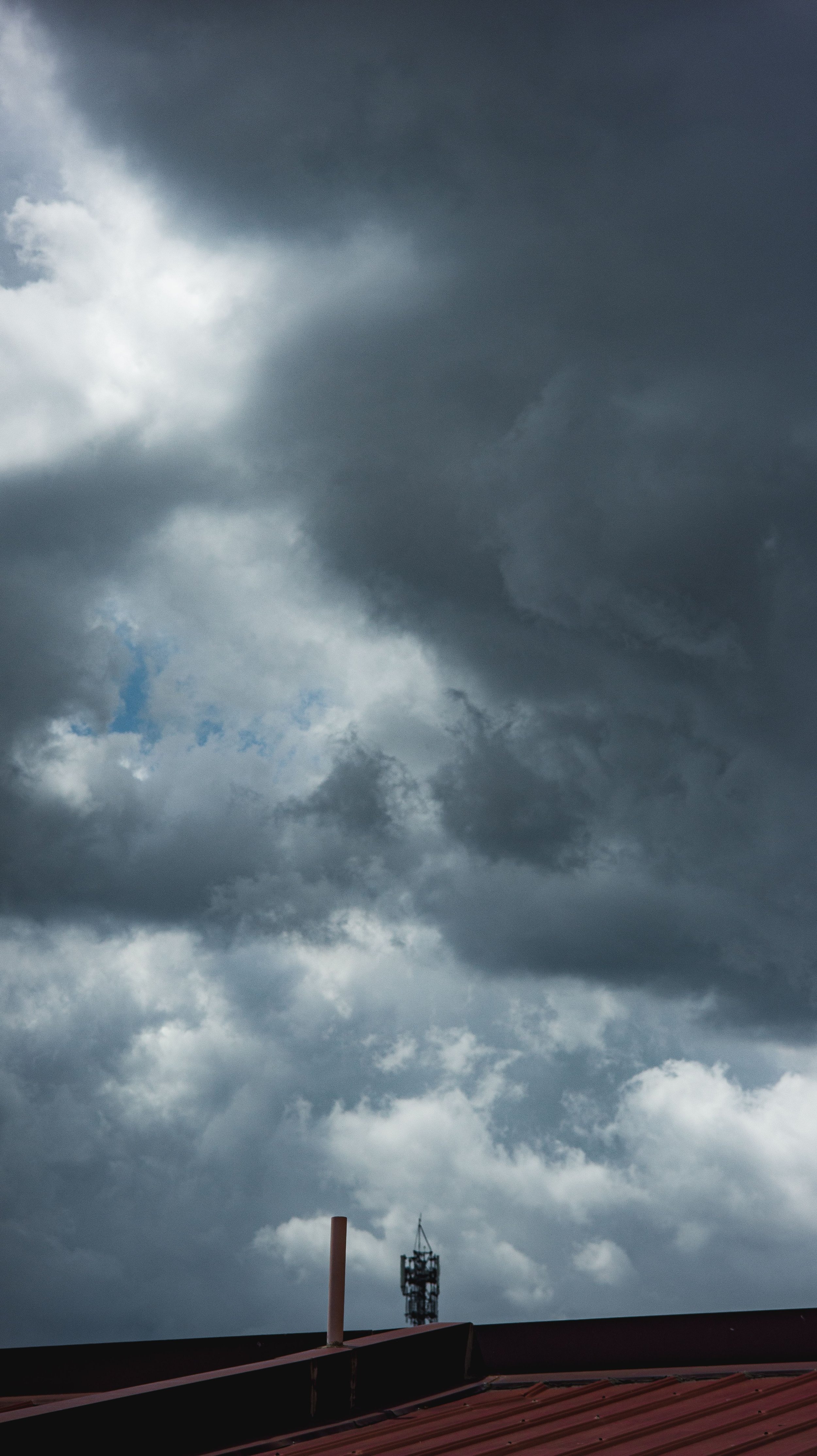
Couples sometimes see clouds in the forecast and immediately worry about their photographs.
Please don't.
Cloud cover can act like an enormous natural diffuser, softening sunlight and reducing harsh shadows. Overcast skies can produce beautiful skin tones and give photographers more freedom to use locations that would be difficult in direct sunlight.
Will your photographs look different from photographs taken during a glowing sunset?
Of course.
Different isn't worse.
Rain can create reflections. Clouds can create drama. Fog can transform an ordinary landscape.
Some of the most interesting wedding photographs happen when the weather isn't "perfect."
8. Your Venue Changes the Equation
Light isn't only about the time of day.
Your venue matters too.
A ceremony under an open sky is different from one beneath dense trees. A ballroom with floor-to-ceiling windows is different from a historic church with very little natural light. A courtyard surrounded by tall buildings may lose direct sunlight long before the official sunset time.
This is why your photographer needs to think about both when and where photographs will happen.
The official sunset might be 7:30 p.m., but if your venue sits beside a mountain, behind a row of buildings, or deep in a wooded area, you may lose usable sunlight considerably earlier.
9. Consider the Season
Sunset changes throughout the year.
A timeline that works beautifully for a summer wedding may be impossible for a winter wedding.
If you're planning a late fall or winter wedding, darkness may arrive before your ceremony even begins. If outdoor portraits are important to you, you might consider a first look so those photographs can happen earlier.
During summer, you may have daylight well into the reception.
Neither is better.
They simply require different planning.
10. Should You Schedule Your Entire Wedding Around Photography?
No.
Your wedding is not a photoshoot.
You shouldn't design the entire day around producing photographs at the expense of actually enjoying it.
But if photography is important to you, it makes sense to consider light when making a few key decisions.
You might shift couple's portraits by twenty minutes.
You might step outside briefly during the reception.
You might schedule family photographs before the ceremony during a winter wedding.
Small timeline adjustments can make a significant difference without allowing photography to take over the day.
11. Good Photographers Don't Need Perfect Light
Your photographer should be able to work when the sun is harsh, when the ceremony space is dark, when clouds roll in, and when the reception happens entirely after sunset.
That's part of photographing weddings.
But understanding light allows a photographer to do more than simply cope with the conditions.
It allows us to use them.
Soft window light can create intimacy. Direct sunlight can create drama. Golden hour can feel romantic. Blue hour can feel cinematic. Flash can turn an ordinary dance floor into something entirely different.
There isn't one kind of beautiful light.
There is simply light, and knowing what to do with it.
So when your photographer asks about your ceremony time, venue orientation, portrait schedule, or sunset, they're not trying to make your wedding unnecessarily complicated.
They're already thinking about how your day will look in photographs.
And sometimes moving something by fifteen minutes is all it takes to change the picture.
Image credit: Blue Light Photo-Marek Piwnicki, Golden Hour-Stiven Rivera, Late Afternoon - Federica The Puglia Diaries PH , Morning Light- Anders Kristensen, Cloudy Days- Nothing Ahead
