

What Does a Wedding Photographer Actually Do Besides Take Pictures?
Photo credit for stock images: Đậu Photograph, NUDE Nahum, Ahmed
When you're planning a wedding, photography can look pretty straightforward from the outside.
A photographer arrives with a camera, takes photographs for several hours, goes home, edits them, and eventually sends you a gallery.
Technically, yes.
But that's a little like saying a wedding planner just makes a schedule.
Much of what an experienced wedding photographer does happens before the shutter is ever pressed, and some of the most important work happening on your wedding day has very little to do with taking a photograph.
You're hiring someone to document an event that cannot be repeated. That requires preparation, technical knowledge, organization, people skills, problem-solving, and the ability to make decisions quickly while remaining calm enough that you never realize how many decisions are being made.
So, what exactly does a wedding photographer do besides take pictures?
They Help You Build a Timeline That Actually Works
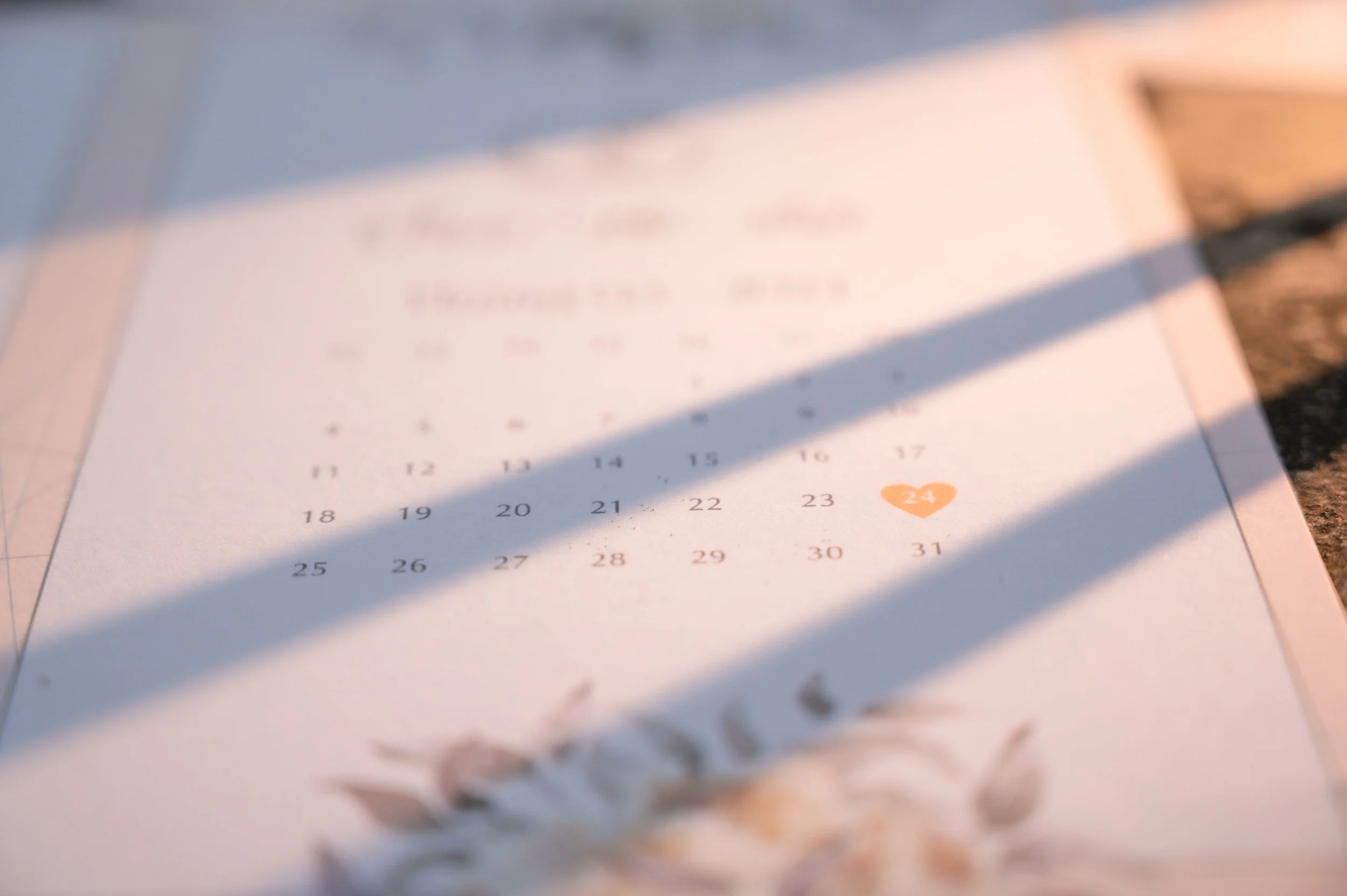
Your photographer probably won't create your entire wedding timeline, especially if you're working with a planner or coordinator, but the photography portion of that timeline matters tremendously.
Couple's portraits need time.
Family photographs need time.
Wedding party photographs need time.
Moving forty people from one location to another takes time.
And somewhere in all of that, you probably want to actually experience your wedding.
An experienced photographer can look at a timeline and recognize potential problems before the wedding day arrives.
If you've allowed ten minutes for twenty-five family combinations, that's probably not going to work.
If you're planning outdoor portraits after sunset, that matters.
If your ceremony ends at 5:30 and cocktail hour begins at 5:30 while you're expecting an hour of portraits between the two, something needs to change.
These conversations ahead of time can prevent unnecessary stress later.
2. They Learn What's Important to You
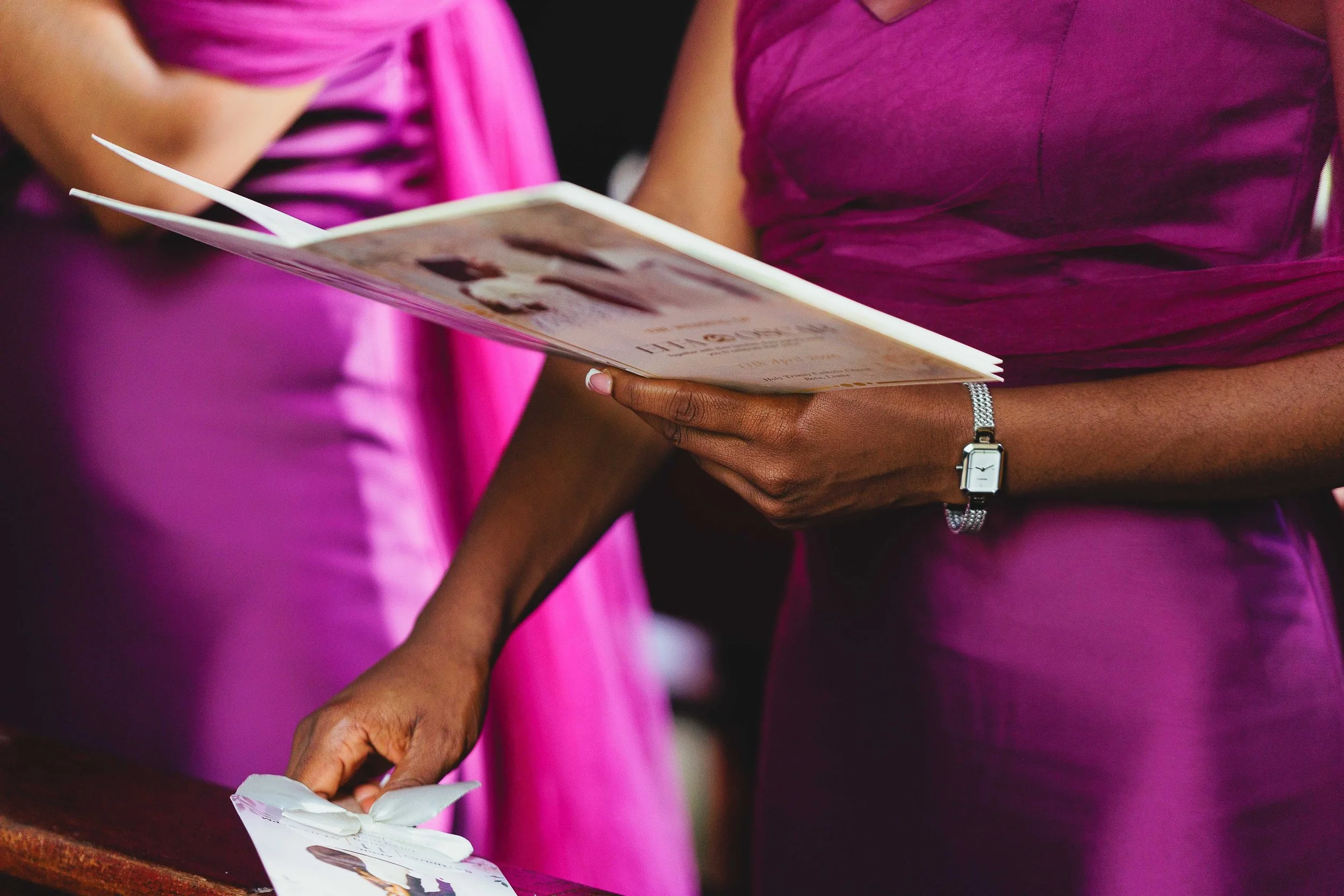
Wedding photography isn't simply about documenting a standard checklist of events.
Every family is different.
Every relationship is different.
Every wedding carries different people, traditions, histories, and priorities.
Your photographer needs to know that your grandmother traveled across the country to attend. They should know if your parents are divorced and shouldn't be placed together for photographs. They should know if someone important has passed away and you're carrying something of theirs with you.
They should know about cultural traditions, surprises, unusual timeline events, and relationships that may not be obvious from looking at a family photo list.
This information helps a photographer understand where to pay attention.
Because sometimes the photograph that matters most isn't happening at the altar.
It's happening three rows back.
3. They Manage People
This is one of the least glamorous and most important parts of wedding photography.
At some point, your photographer may need to organize your entire family.
And your wedding party.
And possibly a wandering uncle who disappeared immediately after the ceremony.
Family portraits require much more than knowing how to operate a camera. A photographer needs to communicate clearly, organize groups efficiently, notice whether everyone can actually be seen, keep things moving, and do it without making your wedding feel like school picture day.
The ability to confidently direct people becomes especially important when time is limited.
You shouldn't have to spend your wedding shouting everyone's names and trying to figure out who is missing.
4. They Watch the Light Constantly
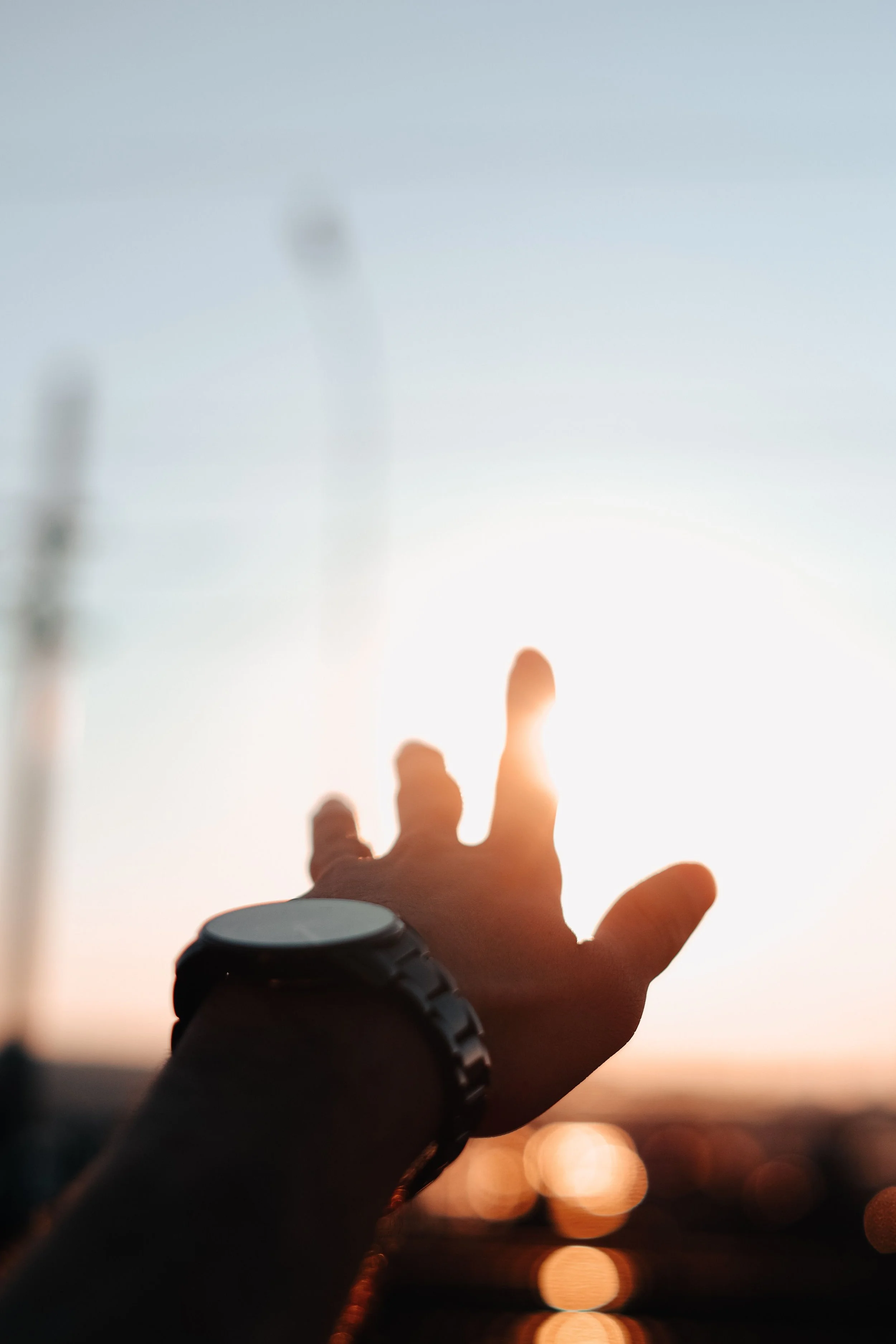
Photographers see light differently.
When you walk into a room, you probably notice the decorations, the people, or the view.
Your photographer is also noticing where the windows are, what direction the light is coming from, whether the ceiling can bounce flash, how mixed lighting is affecting skin tones, where shadows are falling, and what the light is likely to look like thirty minutes from now.
Outside, they're watching the sun.
Inside, they're evaluating artificial light.
During the reception, they're adapting to everything from candles and string lights to DJ lighting and dark dance floors.
Lighting conditions can change dramatically throughout a wedding day, and your photographer has to adjust with them.
5. They Make Hundreds of Tiny Decisions
These are the thoughts in real time that go through a photographer’s streams of consciousness:
Move three feet to the left. Change lenses. Lower the exposure. Wait for the person in the background to move. Step closer. Back up. Use flash. Turn the flash off. Move the bride toward the window. Photograph the reaction instead of the action. Wait. Now.
Wedding photography is a constant series of decisions.
Many happen in seconds.
A first kiss might last two seconds. A tear might be wiped away almost immediately. Your father's expression when he sees you may disappear before anyone else even notices it.
There is no opportunity to ask everyone to do it again.
Experience helps a photographer anticipate moments rather than simply react to them.
They Solve Problems Without Making Them Your Problem
Weddings rarely happen exactly according to plan.
Weather changes. Timelines run late. Buttons break. Bouquets are delivered to the wrong room. A ceremony space is darker than expected. Someone important is missing when family portraits begin. The best wedding professionals learn how to adjust without transferring unnecessary stress to the couple. Sometimes that means changing the portrait location. Sometimes it means rearranging the photography timeline. Sometimes it means finding five minutes somewhere that didn't seem to exist. You may never know about many of the small problems your photographer solves during your wedding.
That's usually the point.
6. They Carry Backup Equipment for a Reason
Professional wedding photography requires redundancy.
A wedding cannot be rescheduled because a camera stops working.
Photographers may carry multiple camera bodies, lenses, batteries, memory cards, flashes, and other equipment because technology occasionally fails.
The same principle applies after the wedding.
Responsible photographers should have a process for protecting and backing up your images while they're being edited and prepared for delivery.
You don't necessarily need to understand the technical details of a photographer's backup system.
You simply want to know one exists.
7. They Pay Attention When You Aren't Looking
Some of the most meaningful wedding photographs happen when the couple isn't aware of the camera.
Your mother watching you during the ceremony.
Your friends laughing together during cocktail hour.
Your grandfather dancing.
A child asleep under a reception table.
Your partner looking at you when you're talking to someone else.
These photographs require observation.
A photographer isn't only watching the couple. They're scanning the room, noticing relationships, anticipating reactions, and looking for the small stories unfolding around the larger one.
That's one of the reasons wedding photography can't be reduced to a shot list.
A list can remind someone to photograph the cake.
It can't tell them when your mother reaches over and squeezes your father's hand during your vows.
8. They Edit Far More Photographs Than You Ever See Them Take
When the wedding ends, the photographer's work doesn't.
The images need to be downloaded, backed up, reviewed, sorted, edited, exported, and prepared for delivery.
A photographer may capture thousands of frames during a wedding day. Those images have to be carefully reviewed to remove duplicates, test shots, blinking expressions, missed focus, and photographs that don't contribute anything meaningful to the final gallery.
The remaining images are then edited for things like exposure, color, contrast, cropping, and consistency.
This process can take considerably longer than the number of hours spent photographing the wedding itself.
You're not simply paying for the hours someone physically holds a camera.
You're paying for the work required to turn those hours into a finished collection.
9. They Become Part of the Wedding Day
This is something couples don't always consider when comparing photographers.
Your photographer will probably spend more time near you on your wedding day than almost any other vendor.
They may be there while you're getting dressed.
They'll stand near you before the ceremony.
They'll follow you during portraits.
They'll be nearby during emotional conversations, family interactions, quiet moments, and celebrations.
That means personality matters.
You should like your photographer's work, but you should also feel comfortable with the person creating it.
Someone can have a beautiful portfolio and still be completely wrong for you.
10. You're Hiring More Than a Camera
Professional cameras are incredible tools, but they don't know which photograph matters.
They don't know your family.
They don't know when to step forward and when to disappear into the background.
They can't calm a nervous couple, organize twenty relatives, adjust a timeline, recognize beautiful light, anticipate a reaction, or understand why a seemingly ordinary photograph might become incredibly important twenty years from now.
The camera records what is placed in front of it.
The photographer decides what is worth remembering.
And on a wedding day, that distinction matters.
