

How Many Hours of Wedding Photography Do You Actually Need? 4 vs. 6 vs. 8 Hours Explained
One of the first questions couples ask me is, “How many hours of wedding photography do we actually need?”
The honest answer is that it depends less on the size of your wedding and more on the story you want your photographs to tell.
A four-hour collection may be perfect for an intimate ceremony and portraits. Six hours can cover many of the most meaningful parts of a traditional wedding day. Eight hours gives your photographer enough time to document the day more fully, from getting ready through the energy of the reception.
More hours do not automatically mean better photographs. However, too little time can make the day feel rushed and force you to choose which moments will not be photographed.
Here is what you can realistically expect from four, six, and eight hours of wedding photography.
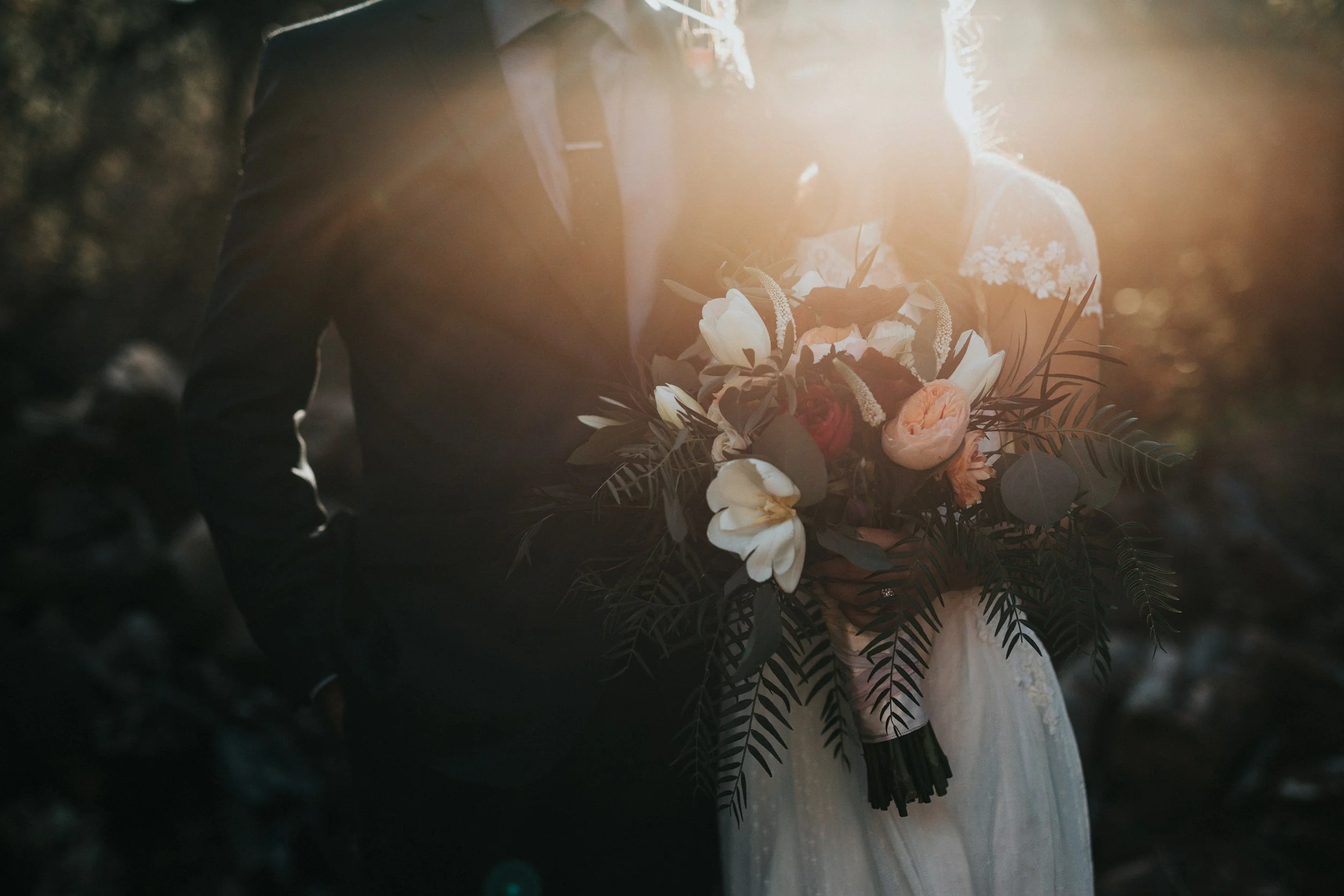
What Can Be Photographed in Four Hours?
Four hours of coverage works best for courthouse weddings, elopements, micro-weddings and intimate celebrations with a simple timeline.
A typical four-hour photography timeline might include:
A few finishing touches while getting ready
A first look or couple’s portraits
The ceremony
Family and wedding-party portraits
Reception details
The couple’s entrance and first dance
Four hours can be enough when the ceremony and reception are held at the same location. It also works well when you do not need extensive getting-ready photographs or several hours of dancing documented.
The biggest challenge with four hours is that there is very little room for delays. If hair and makeup run late, transportation takes longer than expected or the ceremony starts behind schedule, that lost time affects everything that follows.
Travel between locations is also part of your photography coverage. If your photographer spends 30 minutes driving from your getting-ready location to the ceremony, that is 30 minutes when photographs are not being created.
Four hours is a good fit if you want the heart of the day photographed without documenting every chapter.
What Can Be Photographed in Six Hours?
Six hours is often the sweet spot for couples who want more complete coverage but do not need their entire day photographed.
A six-hour timeline may include:
The final portion of getting ready
Wedding details, such as attire, rings and invitations
A first look or private moment
Couple and wedding-party portraits
The ceremony
Family portraits
Reception details
The grand entrance
First dances
Dinner or the beginning of the celebration
Six hours gives everyone more breathing room. Your photographer can be more intentional instead of rushing through portraits to stay on schedule.
This amount of coverage works especially well when the ceremony and reception are at the same venue or located close together. It can also be a strong choice if you want some getting-ready photographs but do not need coverage through the final reception events.
However, six hours may still require choices. You might have to decide between having the photographer arrive earlier for getting-ready photographs or stay later for cake cutting, open dancing and a formal exit.
What Can Be Photographed in Eight Hours?
Eight hours is usually the best choice for a traditional wedding with several important events throughout the day.
It allows your photographer to tell a more complete story rather than arriving only for the ceremony and leaving shortly after the reception begins.
An eight-hour timeline may include:
Getting-ready moments
Details and attire
Candid photographs with family and friends
A first look, first touch or private vows
Couple and wedding-party portraits
The ceremony
Family portraits
Cocktail hour
Reception details
The grand entrance
First dances
Toasts
Dinner
Cake cutting
Open dancing
A staged or formal exit
Eight hours also provides flexibility when the wedding takes place across multiple locations. It gives your timeline room to breathe when travel, large family portrait lists or unexpected delays are involved.
This does not mean eight hours will cover every moment from the beginning of hair and makeup until the final guest leaves. Most wedding days are much longer than eight hours. Your photographer will still help you decide which eight hours contain the moments that matter most.
Do You Need Photography for the Entire Getting-Ready Process?
Usually, no.
Your photographer does not need to arrive the moment hair and makeup begin. Those preparations can take several hours, and much of that time may look repetitive in photographs.
I generally recommend scheduling photography toward the end of the getting-ready process. By then, the room can be tidied, details can be arranged and everyone is closer to being dressed.
This gives your photographer time to document the atmosphere without using a large portion of your coverage before the main events begin.
Do You Need Photography Until the End of the Reception?
Not necessarily.
After a certain point, reception photographs can also become repetitive. Unless you have a special performance, cultural tradition, formal exit or late-night event planned, you may not need your photographer there until the venue closes.
Thirty to sixty minutes of open dancing is often enough to capture the energy of the reception and the people who made it memorable.
If you want exit photographs but do not need several additional hours of coverage, consider planning a staged exit earlier in the evening. Your photographer can gather the wedding party or closest guests for sparklers, bubbles or another celebratory moment without requiring everyone to end the party.
What Can Make You Need More Photography Time?
Even a relatively small wedding may need additional coverage if the timeline is complicated.
Consider adding more time when:
You are getting ready, marrying and celebrating at different locations
You have a large wedding party
You have a long family portrait list
You want multiple first looks
You are including cultural or religious traditions
You have several reception events planned
You want portraits at more than one location
Sunset portraits are important to you
You want both getting-ready photographs and a formal exit
Your venue requires a long walk between important areas
Guest count alone does not determine how much coverage you need. A 30-person wedding spread across three locations may require more time than a 150-person wedding held entirely at one venue.
Is a First Look Helpful When You Have Limited Coverage?
Yes. A first look can make a shorter photography timeline much more efficient.
Seeing each other before the ceremony allows you to complete some or all of your couple, wedding-party and immediate-family portraits in advance. After the ceremony, you can spend less time taking formal photographs and join your guests sooner.
If you do not want a traditional first look, you still have alternatives. You can share a first touch, hold hands around a doorway, exchange private vows or pray together without seeing one another.
The purpose is not to pressure you into changing the experience you want. It is to arrange the timeline in a way that protects both your priorities and your photography time.
Four, Six or Eight Hours: Which Should You Choose?
Choose four hours if you are planning a courthouse ceremony, elopement, micro-wedding or intimate celebration with very little travel.
Choose six hours if you want the major events documented with some getting-ready and reception coverage, but you do not need the entire story from beginning to end.
Choose eight hours if you want a fuller visual story, have multiple locations or want both early-day details and evening reception events photographed.
When deciding, make a list of the moments you would be heartbroken not to have photographed. Start with those moments and work backward to determine when your photographer should arrive and leave.
Do not choose a collection based only on what sounds standard. Your wedding may need something completely different from another couple’s wedding.
My Final Advice as a Wedding Photographer
Before booking a certain number of hours, create a rough wedding-day timeline. Include travel, time for people to get dressed, family portraits and the possibility of small delays.
Then talk with your photographer.
An experienced wedding photographer should help you determine what can realistically be covered within your chosen time. They should also be honest when your expectations require more time or when you may be paying for coverage you do not actually need.
Your photography timeline should leave room for real life. Weddings run late. Buttons break. Family members disappear right before portraits. Someone forgets the rings in another room. Those small, unpredictable moments are part of the day.
The goal is not to fill every minute with photographs. The goal is to give your story enough room to unfold naturally.
If you are planning your wedding and are unsure how much photography coverage you need, I would love to help you build a timeline around the moments and people that matter most to you.
Learn more about my cinematic and artful approach to wedding photography at www.tallulahmade.com/myweddings.
