

How Many Hours of Wedding Photography Do You Actually Need?
One of the first questions couples ask when comparing wedding photography packages is deceptively simple: How many hours do we actually need?
Four hours might sound like plenty. Eight hours might sound excessive. And when you're looking at a wedding timeline months before the wedding actually happens, it can be surprisingly difficult to imagine how quickly those hours will pass.
The answer isn't the same for every wedding.
A small courthouse ceremony followed by dinner doesn't need the same coverage as a wedding with a full getting-ready morning, large wedding party, traditional ceremony, cocktail hour, reception, and grand exit. Instead of choosing a photography package based solely on price or an arbitrary number of hours, think about which parts of your wedding story you actually want documented.
Here's what different amounts of wedding photography coverage can realistically look like.
3 Hours: The Essentials
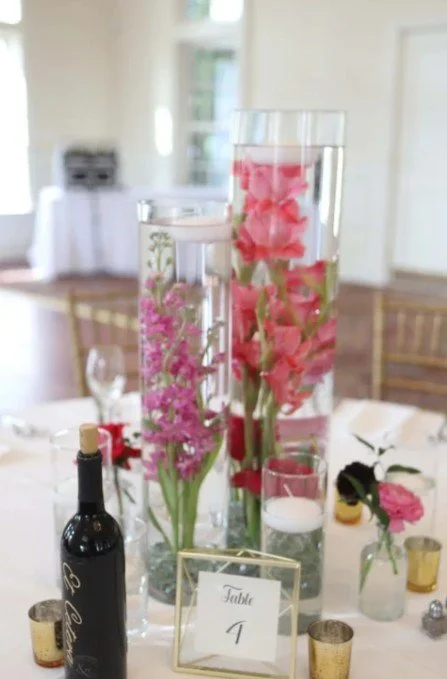
Three hours can work beautifully for a small wedding, courthouse ceremony, elopement, or intimate celebration.
With limited coverage, photography generally focuses on the most important portion of the day: the ceremony, couple's portraits, family photographs, and perhaps a little time immediately before or after.
A three-hour timeline might include:
Arrival and a few photographs before the ceremony
Ceremony
Family and wedding party photographs
Couple's portraits
A few reception or celebration photographs
What it probably won't include is extensive getting-ready coverage, detailed reception storytelling, dinner, speeches, dancing, or an exit.
For couples who primarily want their ceremony and portraits documented, that may be completely fine.
4–5 Hours: A Smaller Wedding Story
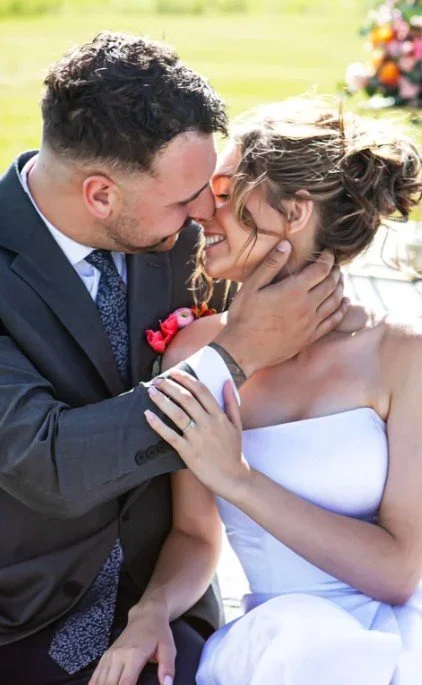
Four to five hours gives your photographer considerably more breathing room.
This amount of coverage can work well for smaller traditional weddings, intimate weddings, and couples who don't necessarily want every part of the day photographed.
Instead of beginning hours before the ceremony, your photographer might arrive toward the end of getting ready. That allows time for finishing touches, some details, the ceremony, formal photographs, couple's portraits, and the beginning of the reception.
Five hours might look something like this:
30–45 minutes: Finishing touches and details
30 minutes: Ceremony
30–45 minutes: Family and wedding party photographs
30–45 minutes: Couple's portraits
2+ hours: Reception coverage
Of course, every timeline is different.
The biggest consideration with shorter coverage is deciding what matters most. If getting-ready photographs are important to you, you may sacrifice some reception coverage. If you want dancing photographed, your photographer may need to arrive closer to the ceremony.
You're essentially deciding where you want your photographic story to begin and end.
6 Hours: The Middle Ground
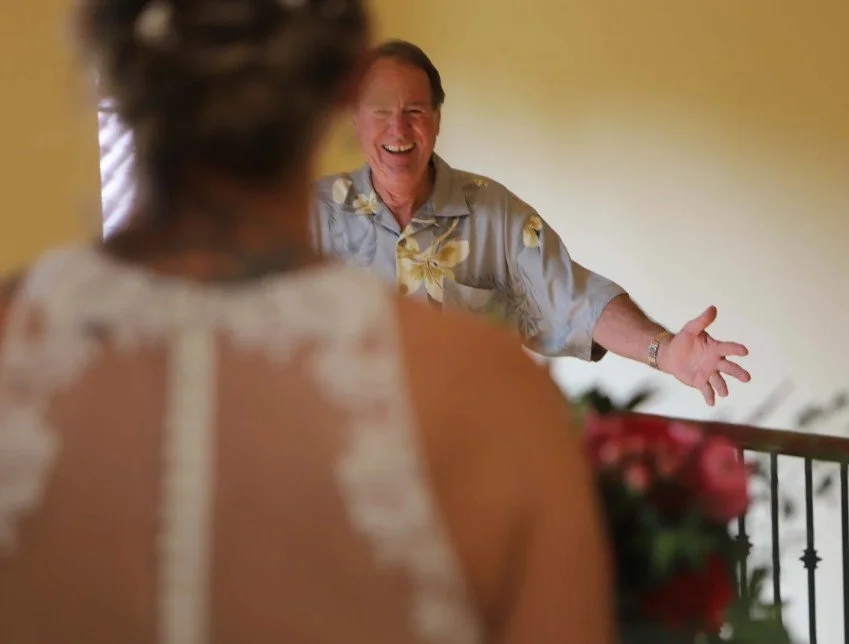
Six hours is often a comfortable amount of coverage for couples who want a fairly complete wedding story without photographing the entire day.
Your photographer can usually begin during the later portion of getting ready and stay through several major reception events.
Depending on your timeline, six hours may cover:
Wedding details
Final getting-ready moments
First look
Wedding party portraits
Ceremony
Family photographs
Couple's portraits
Reception entrance
First dance
Cake cutting
Toasts
Some open dancing
The exact order will depend on your wedding.
Six hours becomes especially useful when the ceremony and reception are at the same venue because less photography time is lost traveling between locations.
8 Hours: The Full Wedding Story
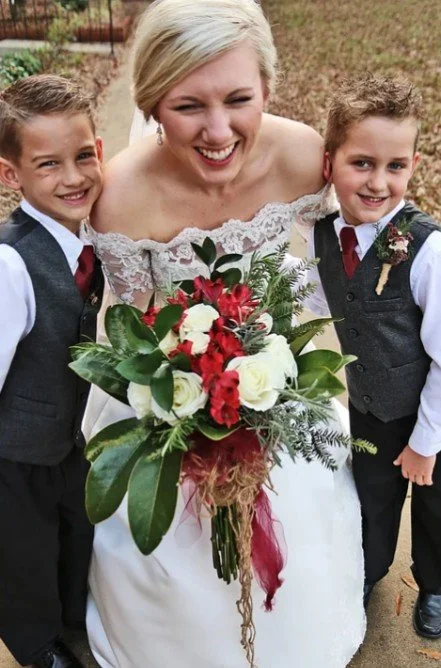
For many traditional weddings, eight hours allows your photographer to tell a much more complete story.
Rather than rushing from one major event to another, there's room for the moments happening in between.
Your photographer can often begin while both partners are getting ready, photograph details before they're being worn or carried, document the ceremony and portraits, and stay well into the reception.
Eight hours may include everything from the quiet moments before the ceremony to a packed dance floor later that evening.
And sometimes those quieter photographs become just as meaningful as the obvious ones.
Your mother helping with your dress.
Your best friend fixing your veil.
Your father sitting alone for a moment before walking you down the aisle.
Your grandmother laughing during dinner.
The flower girl asleep across three reception chairs.
These aren't necessarily photographs you put on a shot list.
They're photographs that happen because your photographer was there long enough to notice them.
More Hours Doesn't Automatically Mean More Value
It's tempting to assume that the biggest photography package must automatically be the best choice.
Not necessarily.
If you're having a four-hour wedding with twenty guests, you probably don't need ten hours of photography simply because someone offers it.
Likewise, trying to squeeze a twelve-hour wedding into three hours of photography may mean sacrificing moments you later wish had been documented.
The goal isn't to purchase the most hours possible.
It's to have enough time to photograph the parts of your wedding that matter to you without turning the entire day into a race against the clock.
Travel Between Locations Matters
One detail couples sometimes forget when calculating photography coverage is travel.
If you're getting ready at a hotel, having your ceremony at a church, taking portraits somewhere else, and holding your reception at another venue, those drives are generally happening during your contracted photography time.
A fifteen-minute drive doesn't sound significant until there are three of them.
Then add parking, unloading equipment, gathering the wedding party, and waiting for everyone else to arrive.
Suddenly, a five-hour photography package can feel much shorter.
If your wedding takes place across multiple locations, talk with your photographer about the timeline before deciding how many hours you need.
Your Timeline Matters More Than Your Guest Count
A small wedding isn't necessarily a short wedding.
You can have thirty guests and celebrate for ten hours. You can also have two hundred guests and plan a relatively condensed ceremony and reception.
Instead of using your guest count to determine photography coverage, look at the structure of the day.
When are you getting ready?
Do you want those photographs?
Are you doing a first look?
How long is the ceremony?
Are the ceremony and reception in different places?
Are there cultural or religious traditions that need to be documented?
Do you want photographs of dinner, speeches, dancing, or your exit?
Those answers tell you much more than the number of people attending.
Don't Build Your Timeline Down to the Minute
Wedding timelines are important, but weddings are human events.
Hair runs late. Someone forgets the rings upstairs. A groomsman disappears exactly when family portraits are supposed to begin. Grandma needs a few extra minutes to get outside. The ceremony starts ten minutes late because half the guests are still parking.
It happens.
A photography timeline needs breathing room.
If every portion of your day only works when everything happens at the exact minute it's scheduled, one small delay can affect the rest of your photography.
Building in a little flexibility allows your photographer to work with the day rather than constantly fighting the clock.
So, How Many Hours Should You Book?
Start by forgetting about photography packages for a moment.
Write down the photographs and parts of the day you would genuinely be disappointed not to have.
Maybe you don't care about getting-ready photographs but absolutely want your reception documented. Maybe photographs with your grandparents are incredibly important. Maybe you're planning an elaborate exit. Maybe you're having a private ceremony and only want the ceremony and portraits photographed.
Once you know what matters, work backward from there.
A good wedding photographer should be able to look at your plans and help you determine whether your expectations realistically fit within the amount of coverage you're considering.
Because ultimately, the right number of hours isn't about having someone with a camera standing beside you all day.
It's about making sure that when the wedding is over, the parts you want to remember are there.
