

Some stories are passed down through photographs. Others through family traditions, the places we come from, and the things we choose to carry with us.
In 2024, I had the pleasure of photographing Enedina Michel at Charming Farm Studio in Gilbert, Arizona, during a creative gathering with Women Networking in Photography (WNP).
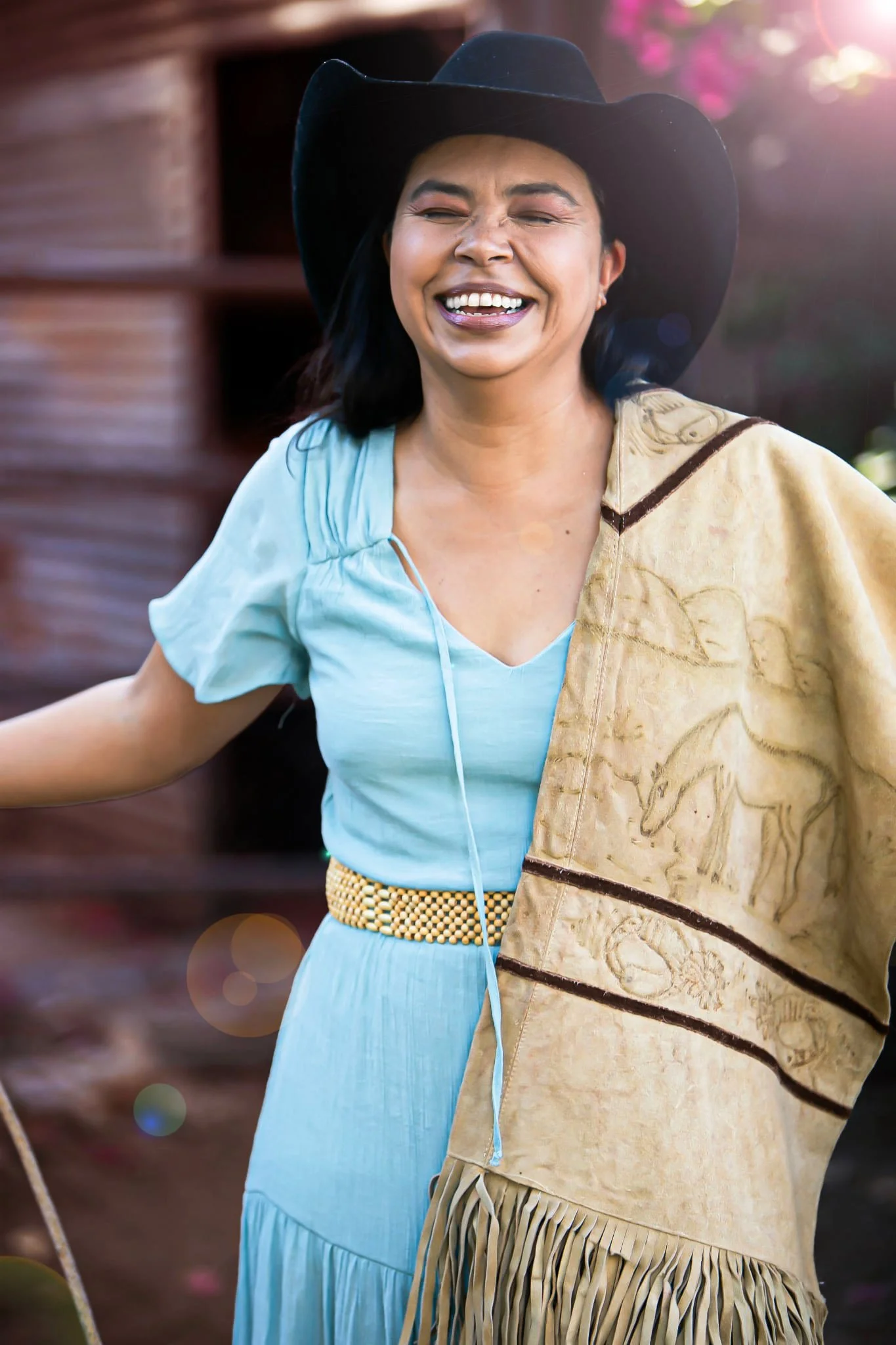
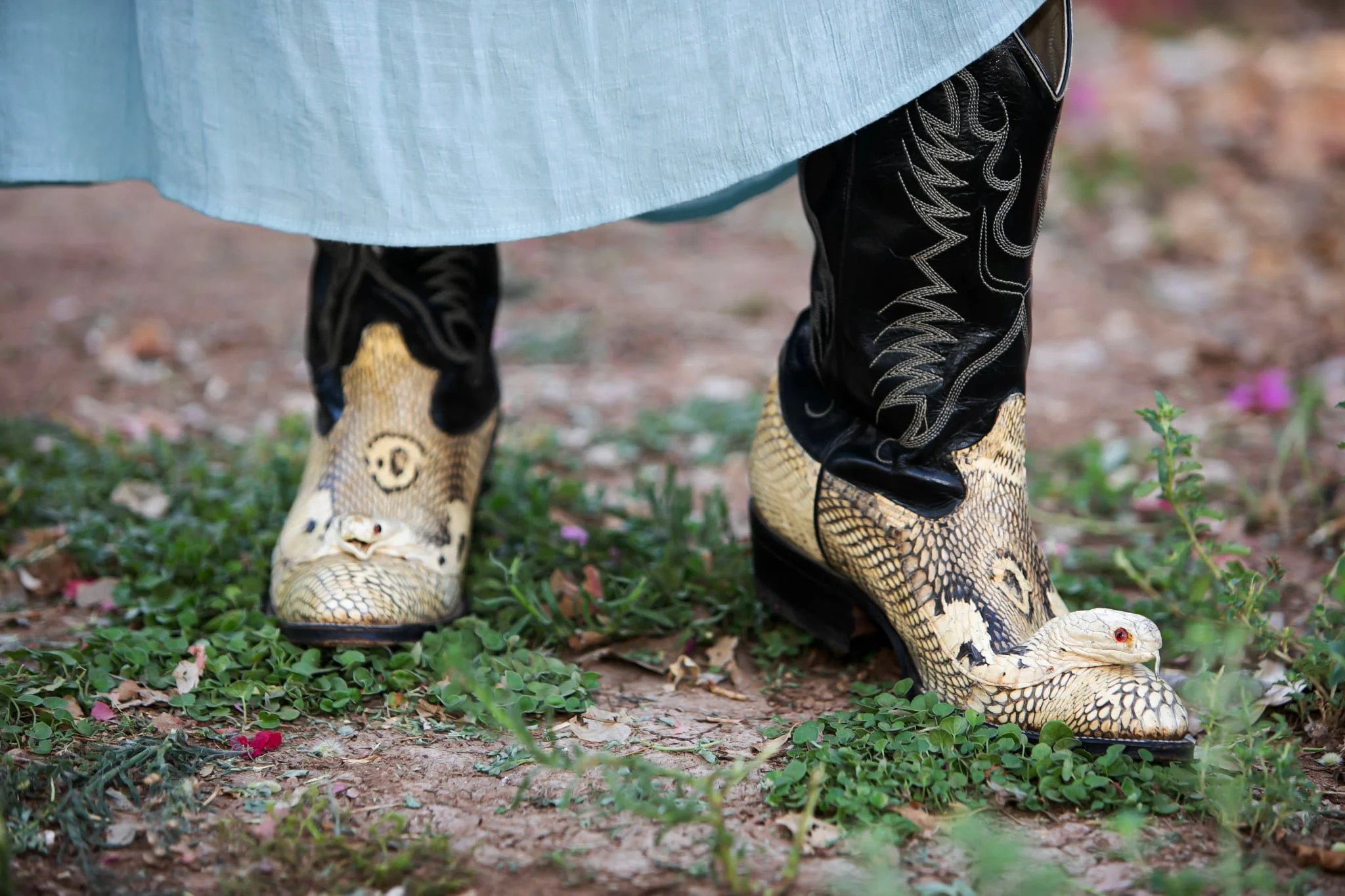
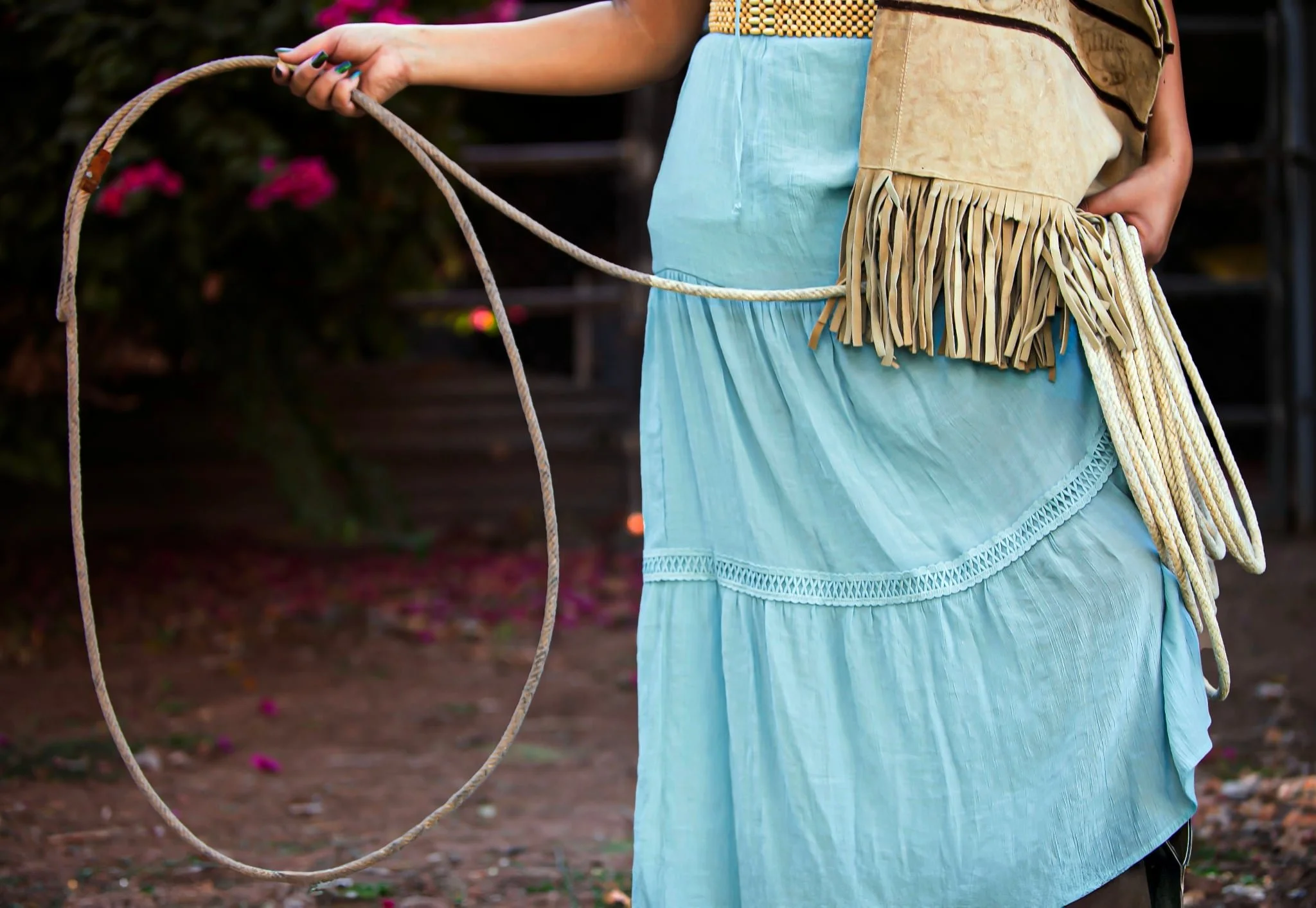
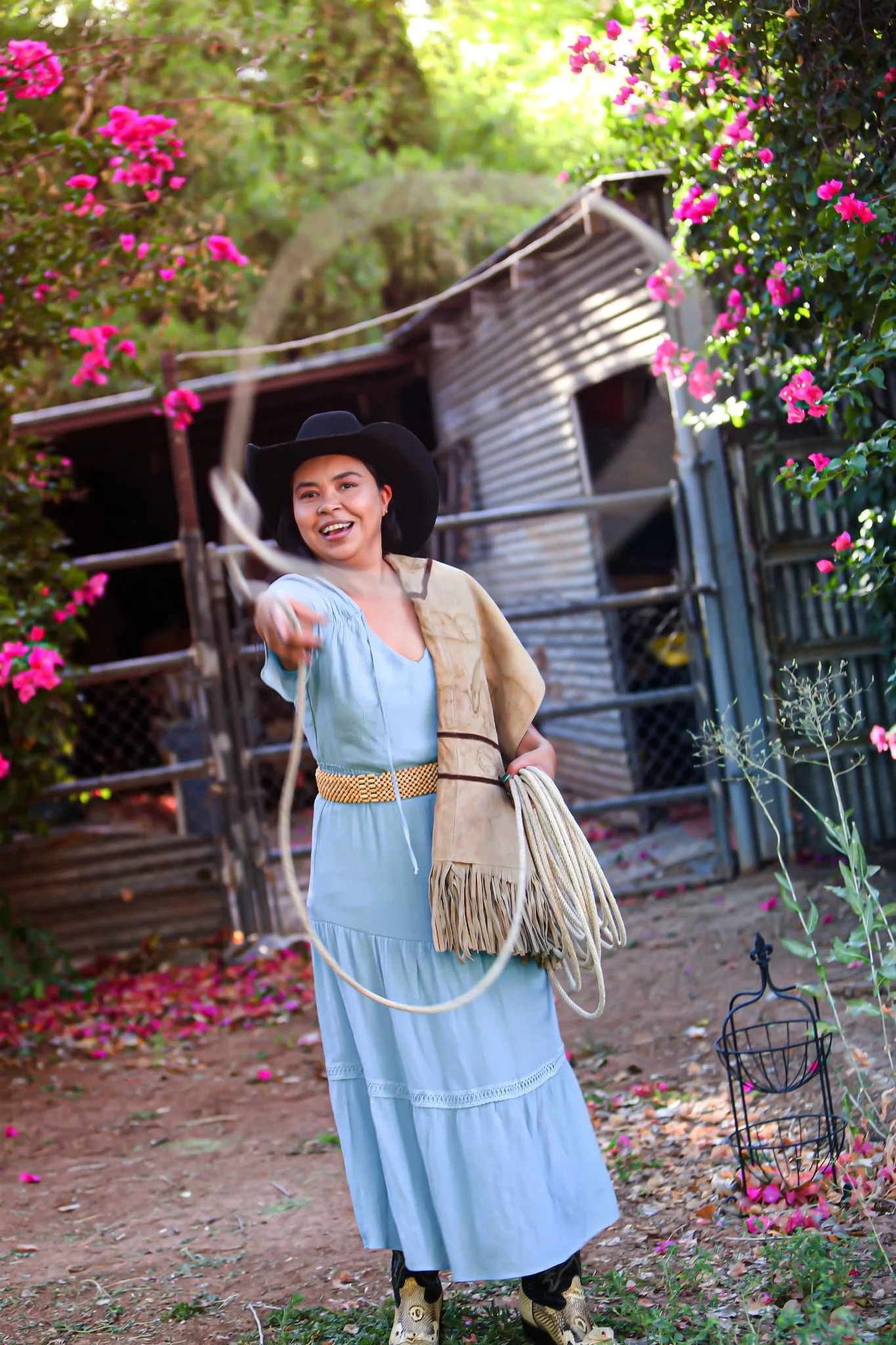
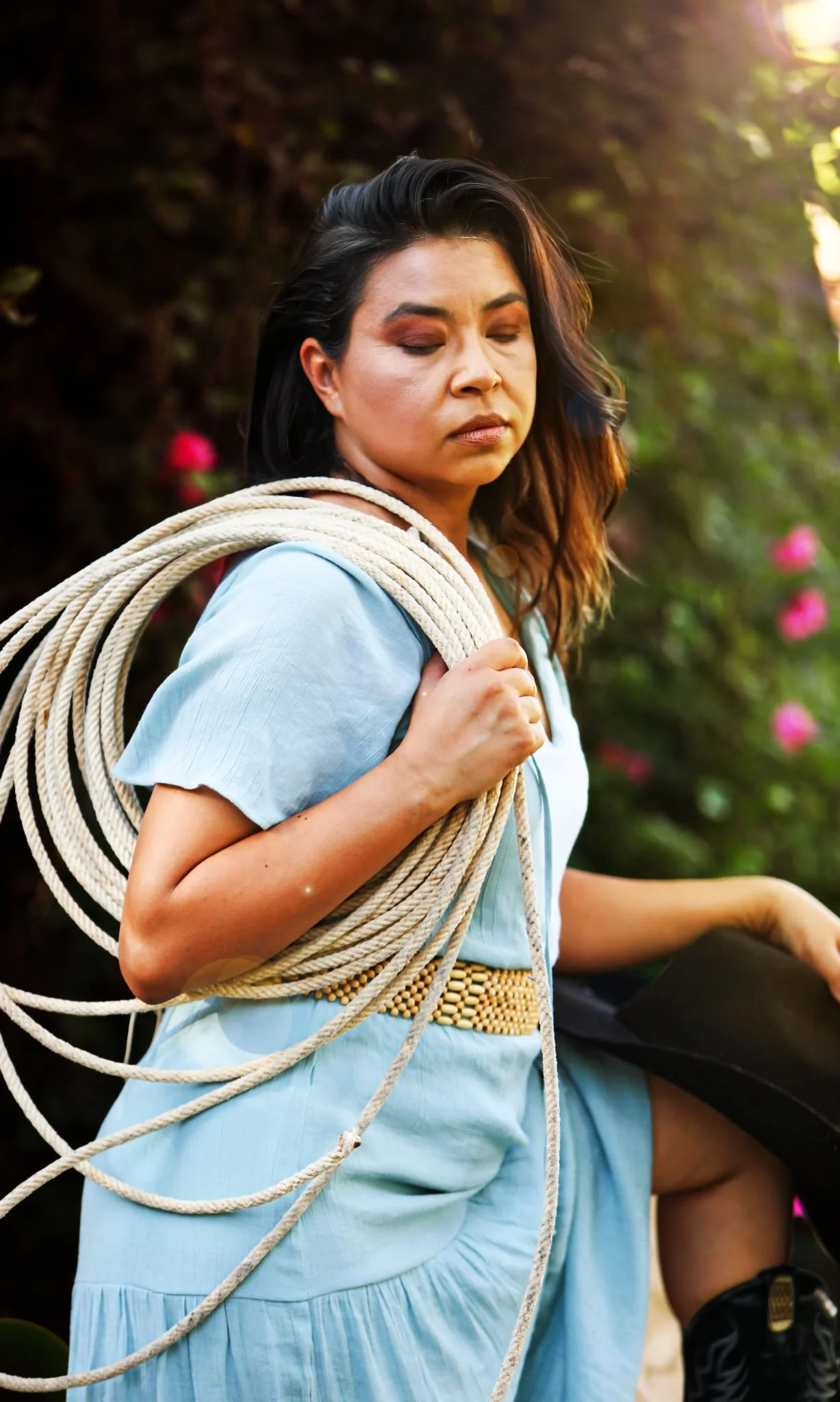
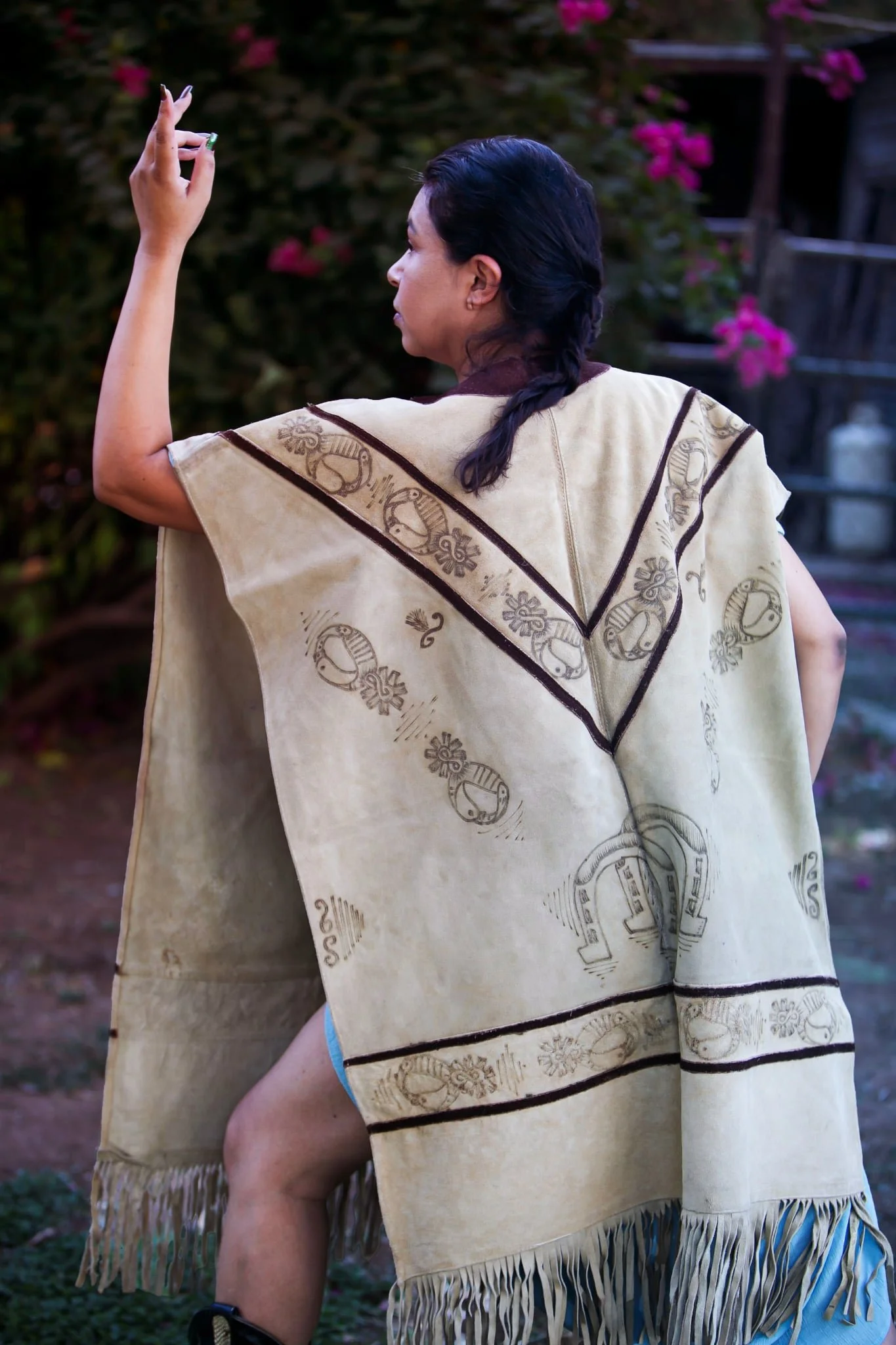
I was immediately drawn to her beautiful leather gabán, adorned with horses, horseshoes, intricate designs, and fringe. Paired with her cowboy hat, lazo, and striking boots, her ensemble was a beautiful representation of Mexican ranching culture. But what interested me most was learning about the personal history behind it.
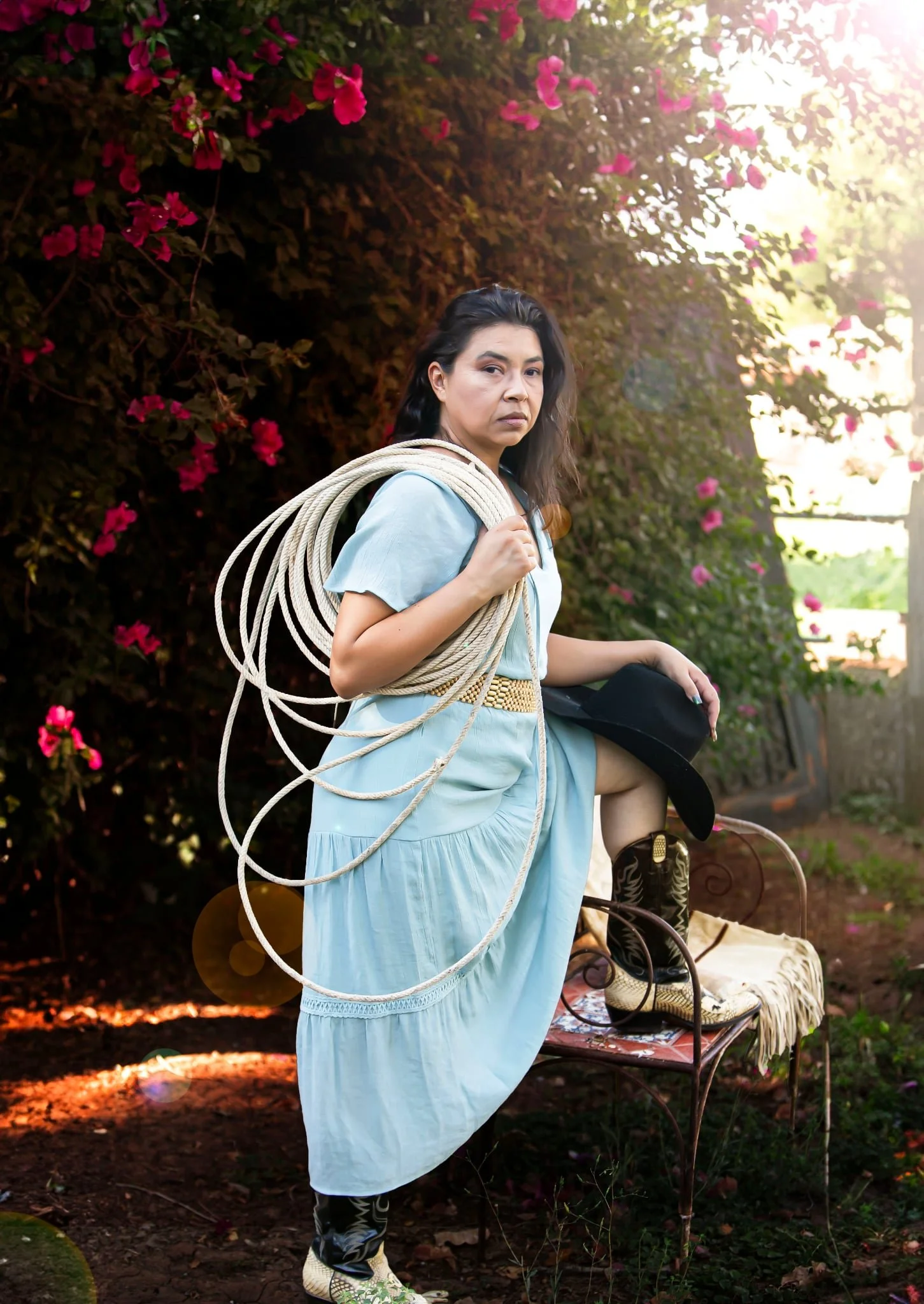
Enedina shared that her father had been involved in the rodeo. What I initially admired as a beautiful expression of Western fashion was also a connection to her family's history and the traditions she grew up around.
The history of the cowboy begins in Mexico.
Centuries before the cowboy became one of the most recognizable symbols of the American West, Mexican vaqueros had already established the skills, traditions, and equipment that would define cowboy culture.
Beginning in the 16th century, cattle ranching expanded throughout colonial Mexico. Spanish ranching practices, together with the labor, knowledge, and expertise of Indigenous and other Mexican horsemen, contributed to the development of a distinctive equestrian culture.
Over generations, Mexican vaqueros refined the techniques of horseback cattle herding, roping, and ranch management. Their equipment, clothing, language, and methods would eventually spread northward and become foundational to ranching traditions in what is now the southwestern United States.
In fact, much of what the world recognizes today as American cowboy culture has its foundations in Mexican traditions. The lasso, rodeo, chaps, ranching techniques, and even the word buckaroo, derived from vaquero, reflect this remarkable influence.
Mexican vaqueros were not simply participants in the development of cowboy culture. They were its pioneers, establishing traditions that later generations of cowboys in the United States would adopt and build upon.
These traditions were never simply about working cattle. They became expressions of craftsmanship, community, regional identity, and family heritage.
Garments such as the gabán and sarape historically provided warmth and protection for people traveling or working in rural Mexico. Over generations, regional clothing, leatherwork, and equestrian equipment became distinctive expressions of Mexican craftsmanship and cultural identity.
As Enedina and I continued talking, she shared more about her family's roots. Her parents have a home in La Barca, Jalisco, and her grandmother was born in Michoacán. Both states have rich cultural histories, including longstanding traditions of horsemanship and rural life.
And that is one of the things I appreciate most about portrait photography. Sometimes what begins as a creative collaboration becomes an opportunity to learn about someone's family, their culture, and the history that continues to influence their identity.
For Enedina, these photographs celebrate something that reaches beyond fashion. They offer a glimpse into a family history connected to the rodeo and a much larger Mexican cultural tradition that continues to thrive today.
About the Creative Gathering
This session was photographed in 2024 at Charming Farm Studio in Gilbert, Arizona, in the Phoenix metropolitan area, through Women Networking in Photography (WNP).
WNP brings together women in photography and related creative fields, providing opportunities to network, collaborate, learn, and develop their artistic skills. Gatherings like these create space for photographers, models, and other creatives to exchange ideas, build professional relationships, and tell stories through their work.
I'm always grateful for opportunities like these, where the creative community brings people together and introduces us to stories we might never have encountered otherwise.
Learn more: womennetworkinginphotography.org
Featuring: Enedina Michel
Photography: TallulahMade Creative Studio & Photography
Location: Charming Farm Studio | Gilbert, Arizona
Year: 2024
Creative Community: Women Networking in Photography (WNP)
#TallulahMade #MexicanVaquera #MexicanHeritage #VaqueroCulture #Jalisco #Michoacan #MexicanRodeo #WomenNetworkingInPhotography #ArizonaPhotographer #CulturalPortraiture #EditorialPhotography
